How to Clean Artificial Flowers Without Ruining Them
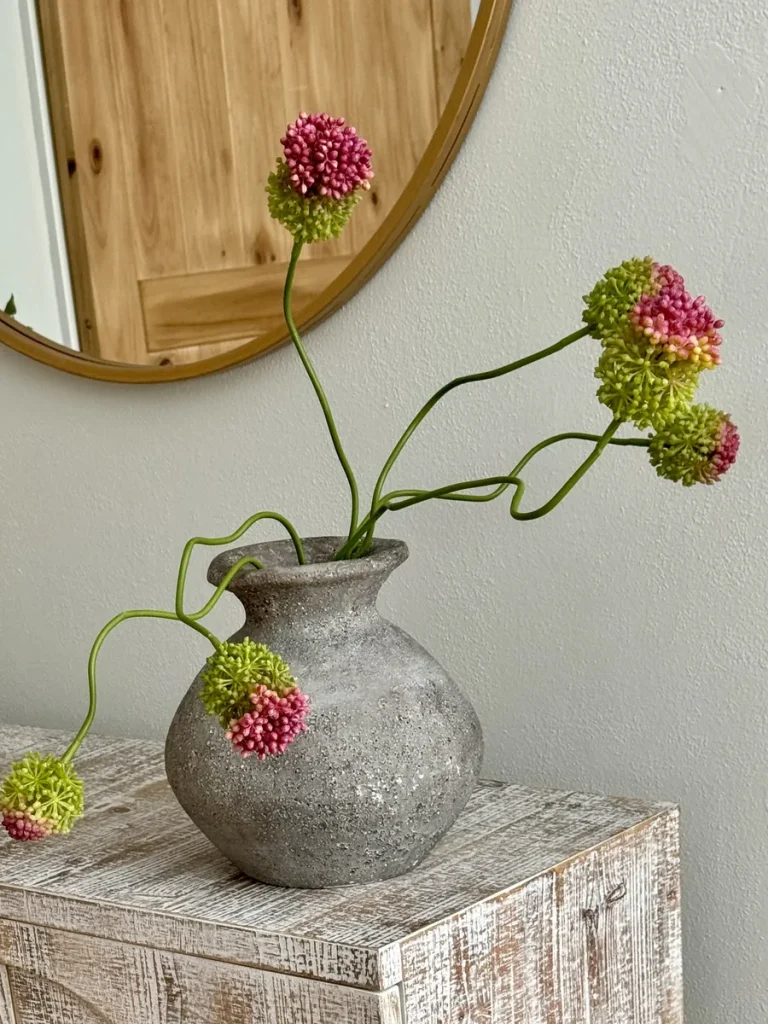
For the longest time, I treated my artificial flowers like that decorative chair in the bedroom. You know the one. It looks great, but it quietly collects dust and guilt. I’d walk past my faux peonies or silk hydrangeas, notice they looked a little… tired, and think, I’ll deal with that later. Later turned into months. Sometimes years.
If you’re here because you googled how to clean artificial flowers and you’re afraid of ruining them — welcome. You’re in the right place. I’ve made the mistakes so you don’t have to. I’ve dunked stems that shouldn’t be dunked. I’ve used sprays that left spots. I’ve shaken arrangements like they owed me money.
And I’ve also learned what actually works.
Artificial flowers can look stunning for years, but only if we treat them with the same quiet respect we give the rest of our home decor. Like a well-loved linen sofa or a favorite throw pillow, they need gentle care — not neglect, not panic-cleaning before guests arrive.
Why Artificial Flowers Get Dirty Faster Than You Think
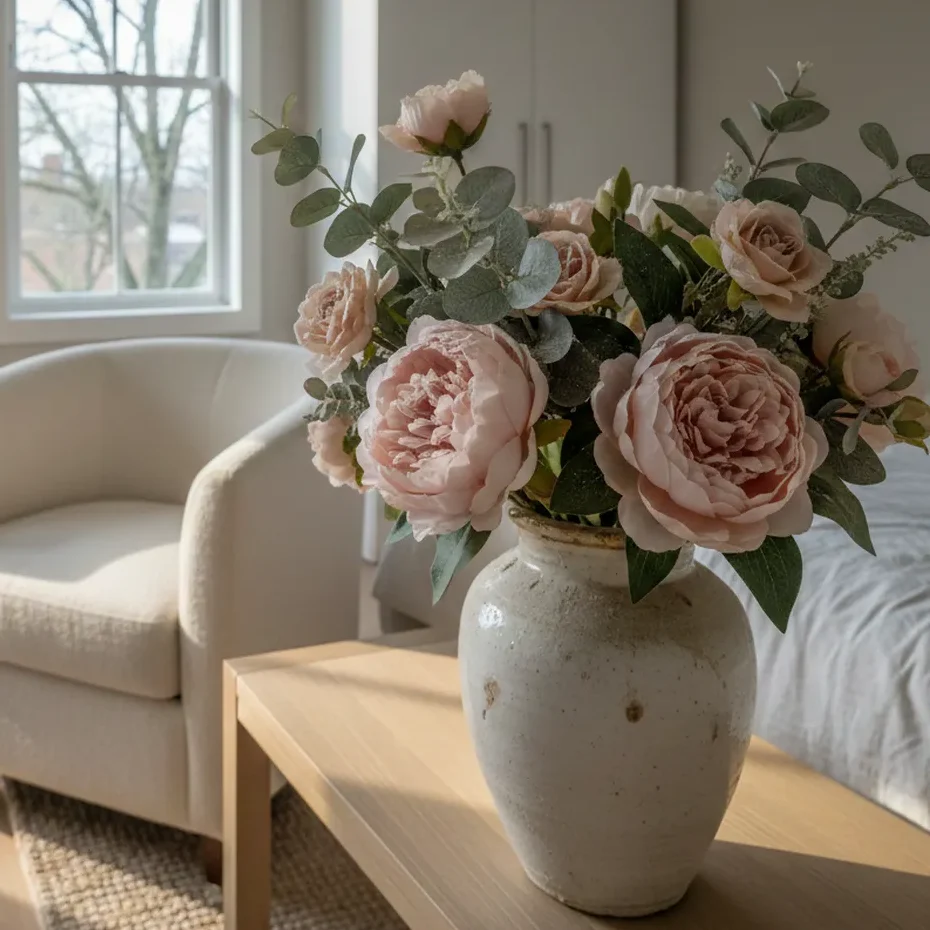
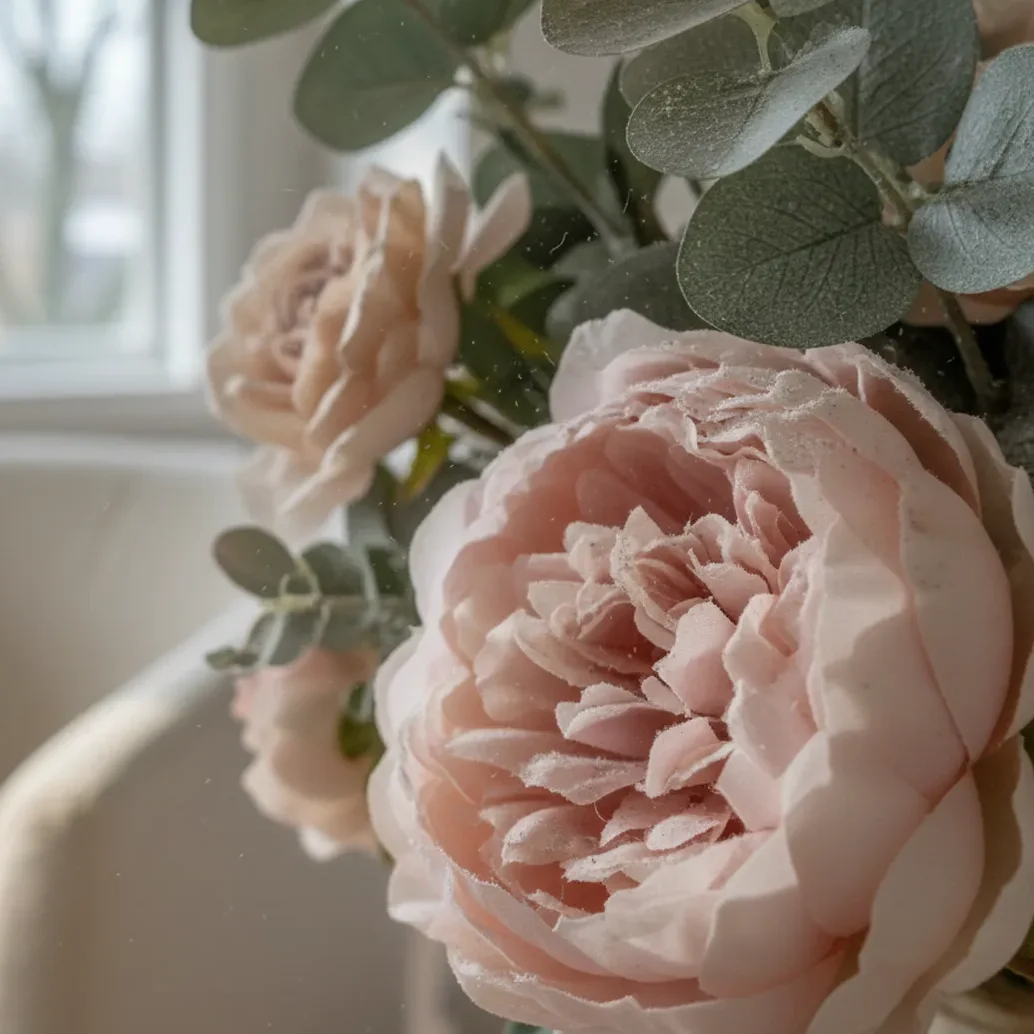
This part surprised me when I first started paying attention. Artificial flowers don’t just collect dust — they hold onto it. Fabric petals, textured leaves, fuzzy stems… they’re basically dust magnets wearing a pretty outfit.
Real flowers wilt and disappear. Faux flowers stay. Which means they quietly absorb:
• Dust from open windows
• Kitchen grease in open-plan spaces
• Pet hair (especially if you have a cat who believes every surface belongs to them)
• Smoke, candles, and general “life residue”
The worst part? Because they’re “fake,” we assume they don’t need care. But visually, dirty artificial flowers drag a room down fast. They’re like cloudy mirrors — you don’t notice right away, but once you clean them, everything feels brighter.
If your decor feels slightly off and you can’t put your finger on why, your faux florals might be the quiet culprit.
How to Clean Artificial Flowers Without Damaging Them
This is where most people panic. I did too. Water? No water? Soap? Dryer? Hairdryer? (Yes, I’ve seen that suggestion and no, please don’t.)
The truth is: there’s no one-size-fits-all method. The right way to clean artificial flowers depends on what they’re made of and how they’re arranged.
I always start with the least aggressive method. Think of it like skincare — you don’t jump straight to chemical peels.
Dry Cleaning Methods for Faux and Silk Flowers
If your flowers are lightly dusty (and most are), dry cleaning is your best friend.
1. The gentle shake
I take arrangements outside or over the bathtub and gently shake them upside down. Not violently. Think “wake-up stretch,” not “rage cleaning.” This alone removes a surprising amount of dust.
2. Soft brush or makeup brush
This is my favorite method for silk flowers. I use a clean makeup brush and lightly sweep the petals, starting from the center and moving outward. It feels almost meditative, like grooming something delicate.
3. Microfiber cloth
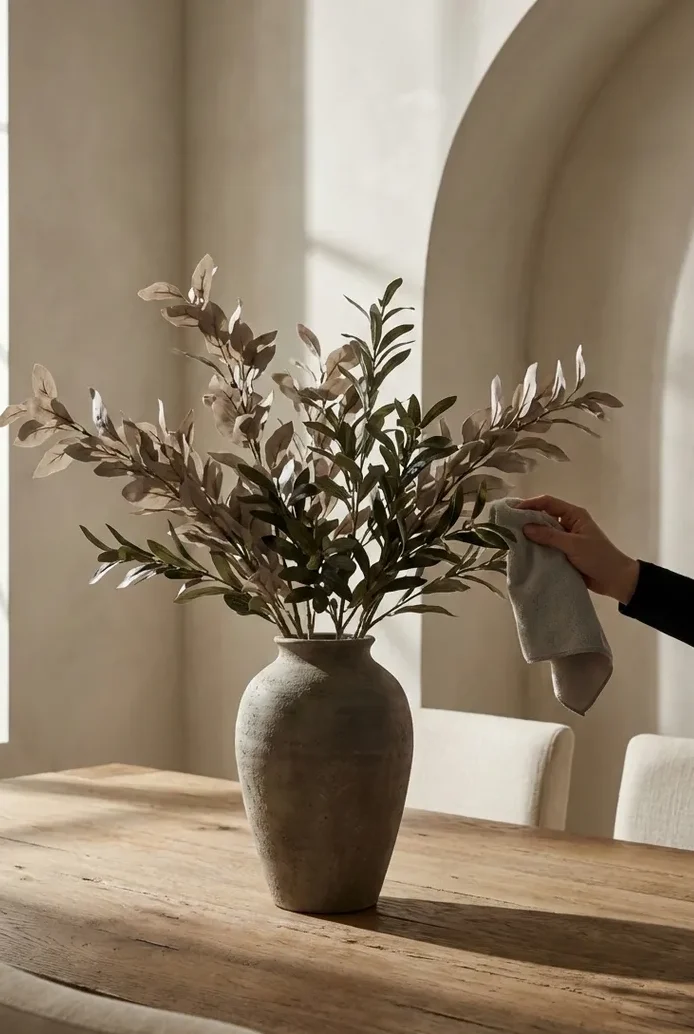
For larger leaves or sturdier faux stems, a dry microfiber cloth works beautifully. I wrap it loosely around the stem and pull downward.
These methods are especially good for:
• Silk flowers
• Real-touch faux flowers
• Delicate petals
• Arrangements that are glued into a vase
Can You Wash Artificial Flowers With Water?
This is the question everyone asks — and the answer is: sometimes.
I learned this the hard way with a beautiful silk arrangement I thought was “durable enough.” It wasn’t. The petals lost their shape, and I stood there holding a soggy bouquet, wondering where my confidence went wrong.
Water is safe for:
• Plastic flowers
• High-quality faux flowers labeled washable
• Loose stems (not glued arrangements)
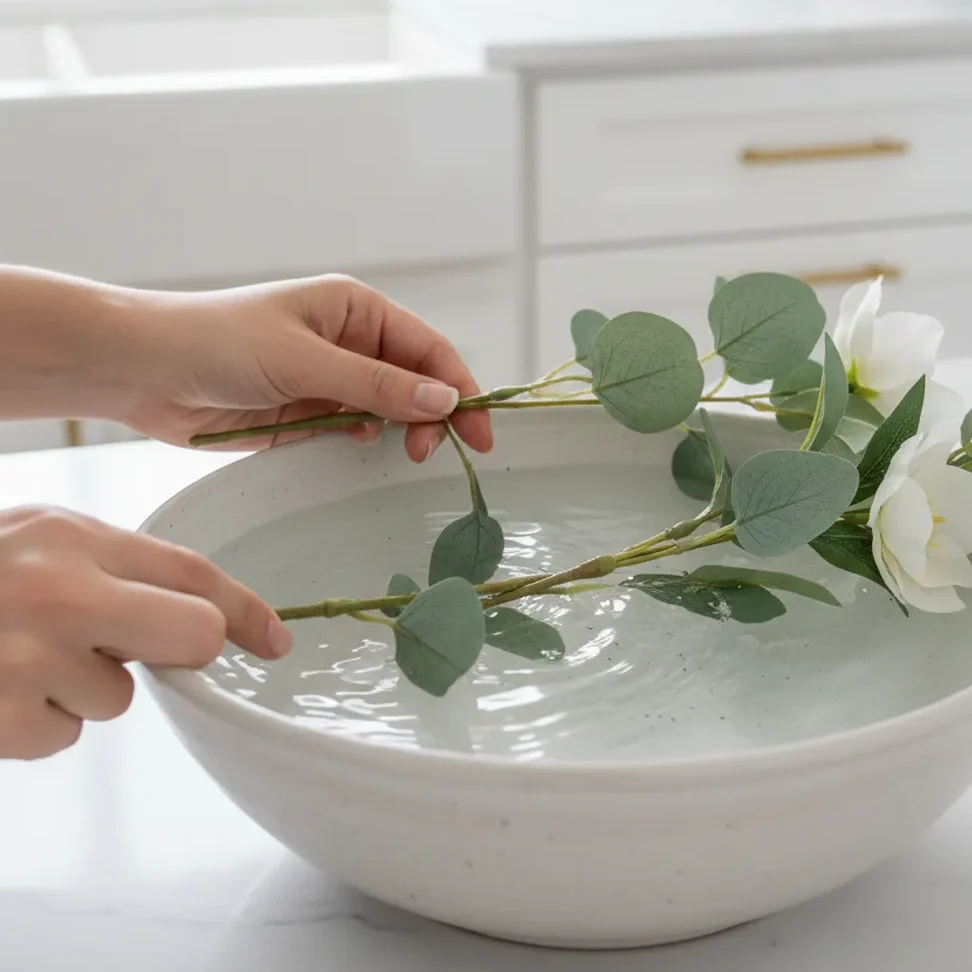
Here’s how I do it safely:
– Fill a bowl with cool water
Hot water is a hard no. It can warp petals and loosen dyes.
– Add a drop of gentle dish soap
Not detergent. Not bleach. Just a tiny bit of mild soap.
– Swirl, don’t soak
I dip and gently swirl for a few seconds, then rinse with clean water.
– Air dry upside down
I hang stems over the edge of a towel or drying rack. Gravity helps petals keep their shape.
How to Clean Artificial Flowers That Are Glued in a Vase
This one deserves its own section because it’s where people accidentally ruin arrangements.
If your flowers are glued into a vase, do not submerge them. Water seeps into the foam, weakens glue, and creates that musty smell you’ll never fully get rid of.
Instead, I do this:
• Dust first with a brush or cloth
• Use a barely damp cloth for stubborn spots
• Clean the vase separately with a cloth (not under running water)
It takes longer, but it keeps everything intact.
What About Sprays and Store-Bought Cleaners?
I get tempted every time I see a “miracle faux flower spray.” I’ve tried a few. Some are okay. Some leave residue that actually attracts more dust.
Personally, I stick to simple tools. Less is more. Artificial flowers don’t need to smell “clean.” They just need to look alive.
A Real-Life Example: The Dining Table Wake-Up Call
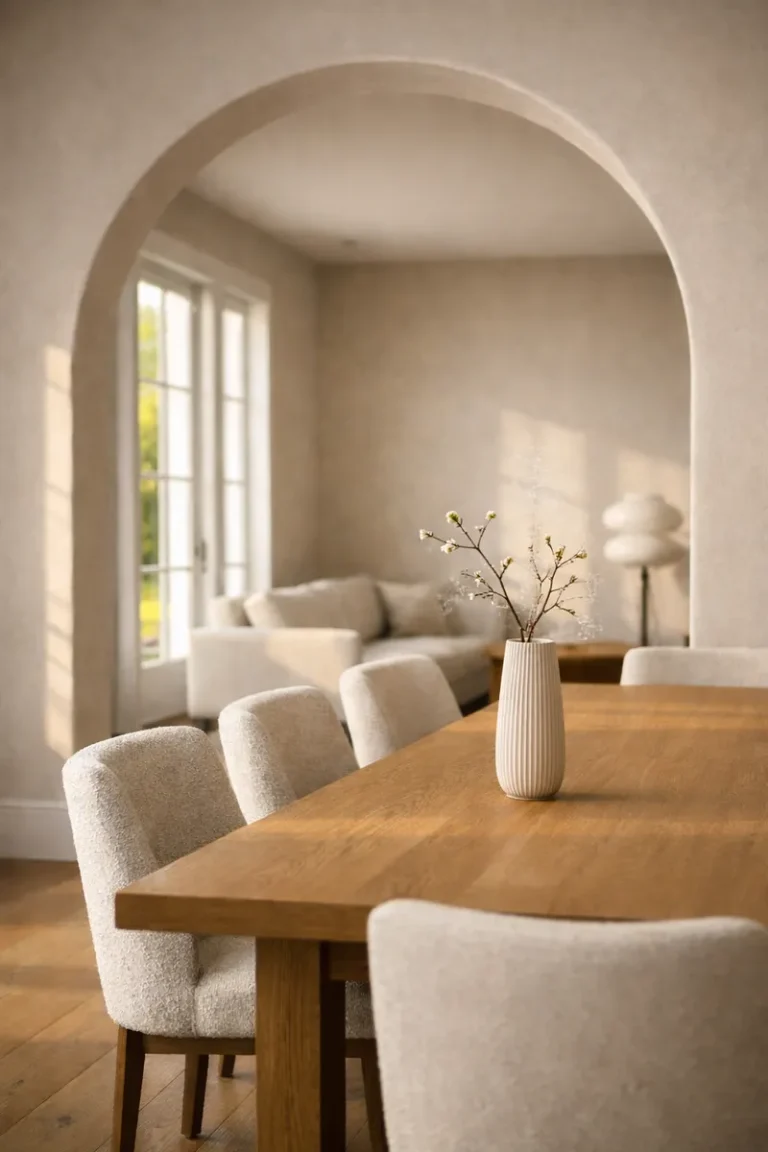
A few months ago, I was restyling my dining table. Same arrangement, same vase, same spot — but something felt off. The light was right. The room was tidy. And yet, the table looked… dull.
Then I looked closer.
The petals were gray with dust. Not obviously dirty. Just tired. Like a once-white sweater that’s been washed too many times.
I spent fifteen minutes cleaning that arrangement. Fifteen. When I put it back, the entire room felt lighter. The flowers caught the light again. The table felt intentional.
It reminded me that decor isn’t just about buying beautiful things. It’s about maintaining them with care.
How Often Should You Clean Artificial Flowers?
I aim for:
• Light dusting every 2–3 weeks
• Deeper cleaning every 3–4 months
If they’re near a kitchen, fireplace, or open window, I clean them more often. If they’re tucked into a quiet corner, less.
I treat them like curtains or lampshades — part of the background, but still part of the room’s health.
Common Mistakes When Cleaning Faux Flowers
I’ve made all of these. Learn from my chaos:
• Using hot water
• Soaking glued arrangements
• Using harsh cleaners
• Drying with heat
• Ignoring them for years and then panic-cleaning
Gentle and consistent always wins.
Final Thoughts: Clean Flowers, Clear Energy
This might sound dramatic, but I believe our homes feel better when the things we love are cared for. Clean artificial flowers don’t just look nicer — they change how a space feels.
They’re like the final brushstroke on a painting. Quiet, but powerful.
If you’ve been avoiding your faux florals because you’re afraid of ruining them, I hope this gave you confidence. Start small. Be gentle. And let your space breathe again.
If this article helped you look at your artificial flowers differently, I’d love for you to explore more home care and decor stories here. Sometimes it’s the smallest acts — like cleaning a forgotten bouquet — that make a home feel truly yours.