Real Touch vs Silk vs Plastic Flowers: What Actually Looks Best in a Modern Home?
I used to judge fake flowers. I really did. I’d walk into a home, see a dusty arrangement on a table, and think, “Why not just buy fresh ones?” Then life happened: schedules got busy, flowers wilted in days, and replacing bouquets every week started feeling like a tiny, constant chore.
That’s when I realized something important: artificial flowers aren’t one category. The difference between Real Touch, silk, and plastic is huge—especially if your home style is modern, calm, and intentional (aka: you don’t want anything that screams “craft aisle”).
This guide combines the quick, practical comparison most people need with the real-life details that actually make or break faux flowers at home—how they look up close, how they age, where they work best, and how to style them so they feel elevated, not random.
Quick Answer: Which One Should You Choose?
If you only read one section, read this:
Choose Real Touch if you want the most realistic look (especially close-up) and you’re styling a high-visibility spot like an entryway or dining table centerpiece.
Choose high-quality silk if you want a beautiful look from normal viewing distance, need volume on a budget, or like rotating decor seasonally.
Choose plastic mainly for outdoors, crafts, or places where durability matters more than realism (and ideally look for UV-resistant outdoor-rated pieces).
Real Touch vs Silk vs Plastic: Side-by-Side Comparison
Realism (visual): Real Touch (highest) → Silk (medium/high, depends on quality) → Plastic (usually lowest)
Realism (touch): Real Touch (soft, “petal-like”) → Silk (fabric feel) → Plastic (firm/synthetic)
Finish: Real Touch (often matte) → Silk (can be matte or slightly sheeny) → Plastic (often glossy unless premium)
Durability: Real Touch (great indoors) → Silk (great indoors, can fray over time) → Plastic (very durable, especially outside)
Best use: Real Touch (statement areas) → Silk (volume/filler/seasonal) → Plastic (outdoor/craft/high-wear)
What Are Real Touch Flowers?
Real Touch flowers are made from polymer-based materials (often described as PU/latex blends or “natural touch” coatings) designed to mimic the softness and flexibility of real petals and leaves. Exact materials vary by brand, but the goal is the same: they’re meant to look real and feel real-ish.
How Real Touch Flowers Look and Feel
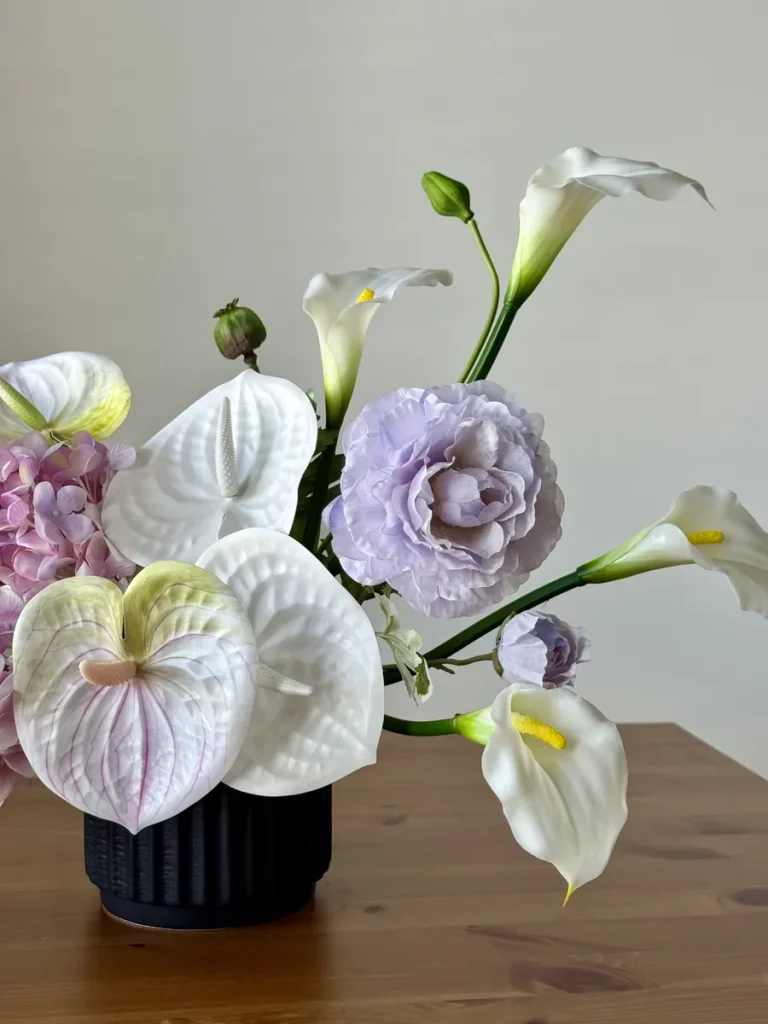
The first time I held a good Real Touch bloom, I did the classic “wait… is this real?” pause. The petals weren’t shiny. They had that soft, slightly cool, almost velvety feel—and the color looked layered instead of flat.
High-quality Real Touch flowers usually have:
• A matte or low-sheen finish (not glossy)
• Color gradients (not one uniform tone)
• Petals with believable thickness and edges
• Flexible stems/leaves that don’t look stiff
Pros of Real Touch Flowers
• Most realistic for modern interiors and close-up viewing
• Soft, “petal-like” feel
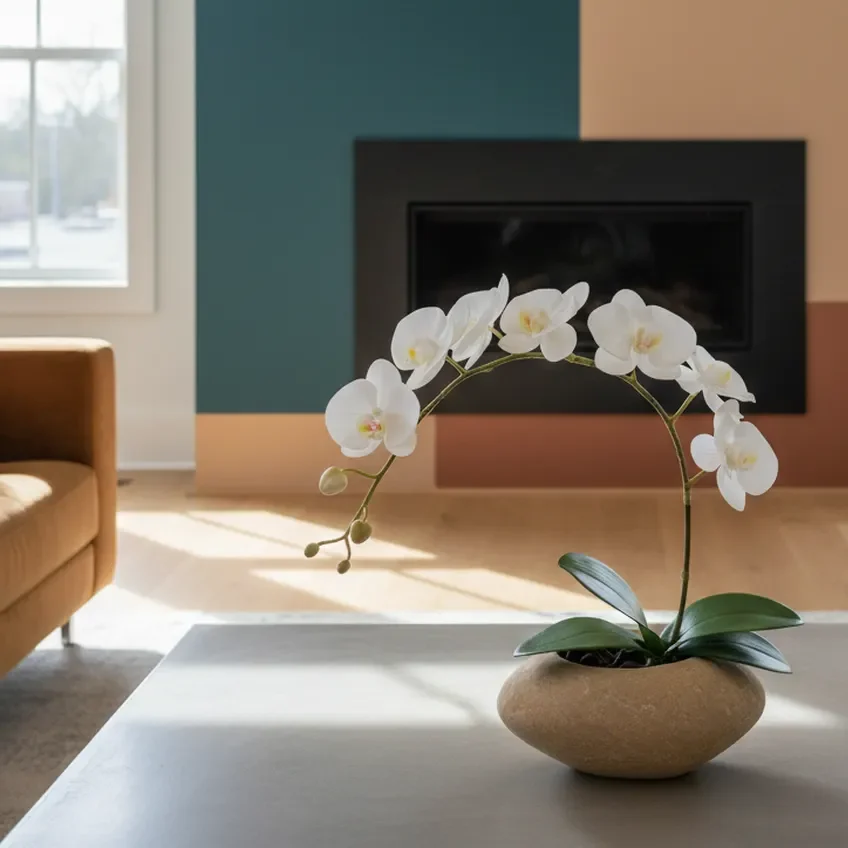
• Looks expensive when styled simply (minimal stems, great vessel)
• Great for weddings and high-end styling
Cons of Real Touch Flowers
• Usually the most expensive option
• Direct sun can fade colors over time (like many home materials)
• In very humid areas, some Real Touch materials can feel less ideal long-term
What Are Silk Flowers?
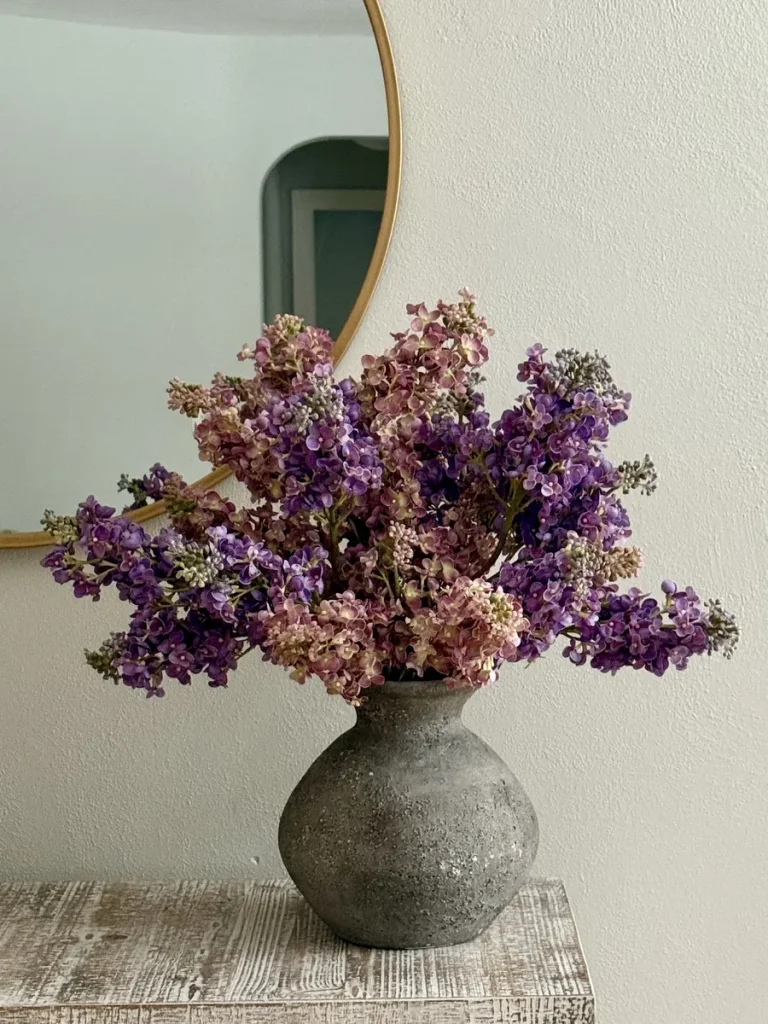
Most modern silk flowers are not pure silk anymore. They’re typically made from polyester or fabric blends shaped to imitate silk-like petals. The best ones look gorgeous in photos and from normal room distance, but when you touch them, they feel like what they are: fabric.
How Silk Flowers Look and Feel
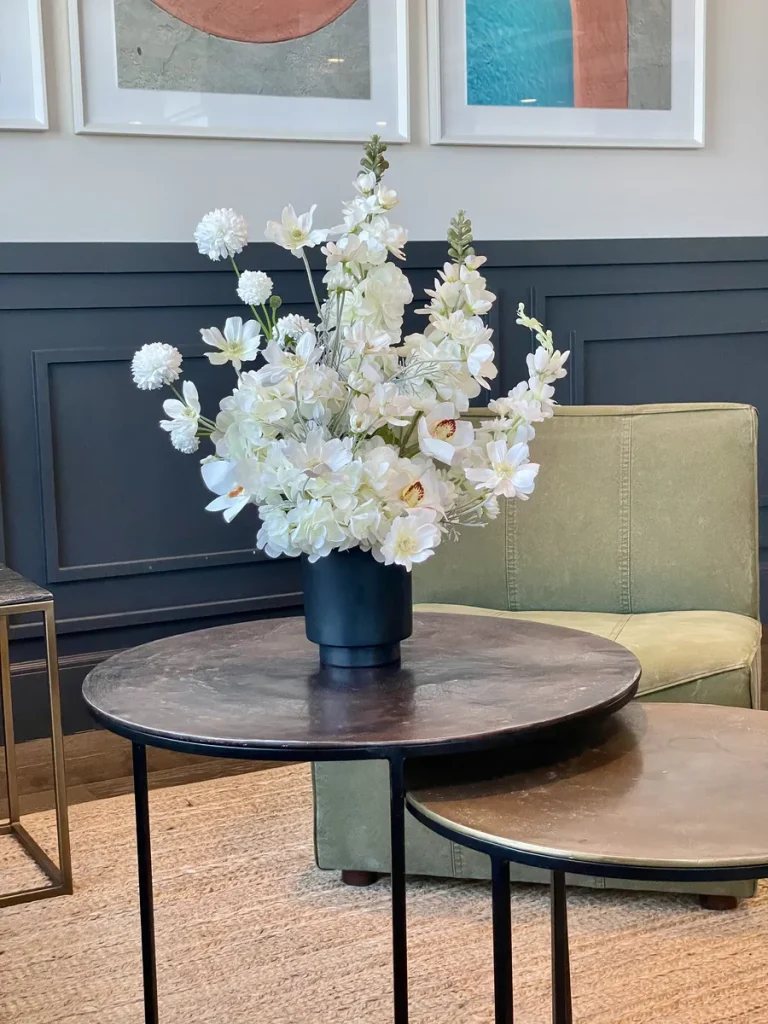
Silk flowers shine (in a good way) when you need volume. If you’re filling a large vase, building a big arrangement, or creating a seasonal look you’ll swap in a few months, silk is often the smartest choice.
High-quality silk flowers typically have:
• Layered fabric petals that create depth
• Good printing/dyeing for natural variation
• Wired stems so you can shape them
Pros of Silk Flowers
• More affordable than Real Touch
• Lightweight (great for tall vases and big arrangements)
• Easy to “fluff” and style into a natural shape
• Great as filler mixed with Real Touch focal stems
Cons of Silk Flowers
• Fabric texture is noticeable up close
• Cheap silk can look flat or overly shiny
• Petal edges can fray over time
What Are Plastic Flowers?
Plastic flowers are typically molded from plastic materials. They’re often the cheapest, and they’re everywhere. And honestly—there’s a time and place for them.
How Plastic Flowers Look and Feel
The biggest giveaway with plastic is usually the shine. Glossy petals catch light in a way real petals never do. Up close, plastic also tends to look too uniform—too smooth, too perfect, too “one color.”
Pros of Plastic Flowers
• Very affordable
• Extremely durable
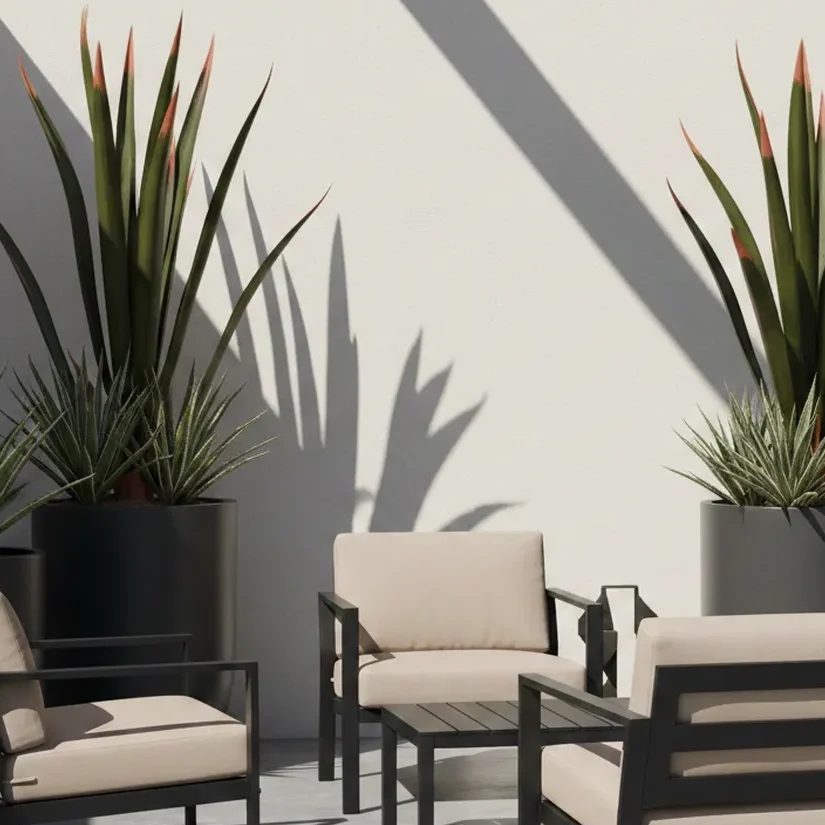
• Often the best option for outdoors (especially if UV-rated)
Cons of Plastic Flowers
• Least realistic indoors (especially in modern, minimal spaces)
• Shine can make them look instantly fake
• Can feel visually “cheap” next to nicer decor finishes
What Makes Faux Flowers Look Real (or Obviously Fake)?
After trying too many stems over the years, I can tell you: realism isn’t one magic thing. It’s a stack of small details that either work together… or don’t.
1) Color variation (this is everything)
Real flowers are never one flat tone. Look for petals with soft gradients, deeper color near the base, and tiny, imperfect shifts in tone. Architectural Digest has noted the significant advancements in faux botanicals and highlights the options designers actually use in real interiors.
2) Finish: matte beats glossy in modern homes
If your home has modern finishes—stone, ceramic, clean wood, neutral textiles—glossy petals can look loud and out of place. Matte or low-sheen flowers blend better with “calm” decor.
3) Imperfection (yes, you want it)
Slightly irregular petal edges. A gentle bend in a leaf. A stem that doesn’t sit perfectly straight. Too-perfect symmetry reads fake fast.
Styling Tips That Instantly Make Faux Flowers Look Intentional
Use fewer stems than you think
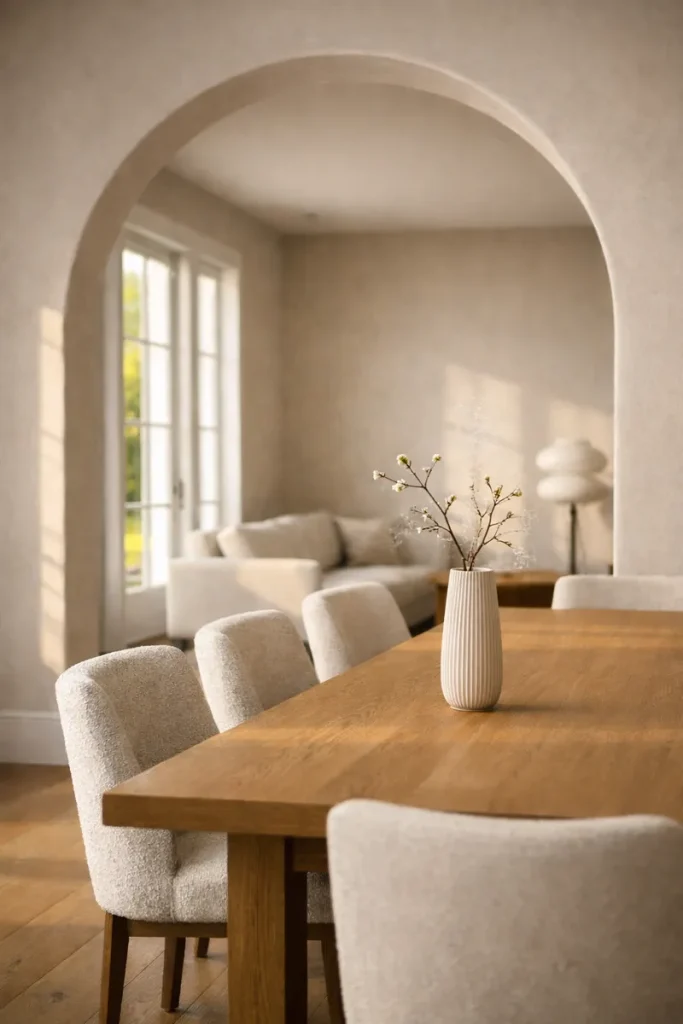
The biggest beginner mistake is stuffing a vase with too many blooms. A modern arrangement usually looks better with negative space and fewer, higher-quality stems.
Mix materials (this is the secret)
I rarely do “all one type” anymore. My favorite approach:
• Real Touch focal flowers (roses/peonies/ranunculus)
• Silk greenery or filler for volume
• Plastic only outdoors or hidden supporting roles
Invest in the vessel
A beautiful ceramic or substantial vase can make even mid-range stems feel elevated. A cheap clear cylinder can make even great stems feel “meh.” The container sets the tone.
Maintenance: Dust, Sunlight, and the Places You Shouldn’t Use Real Touch
Dust is the quiet realism killer
Artificial flowers don’t wilt—but they do collect dust. A soft brush (even a clean makeup brush) once in a while makes a bigger difference than people expect.
Sunlight fades home materials (including faux flowers)
Direct UV exposure can fade fabrics and home decor over time. The simplest strategy is placement: keep your most expensive arrangements out of direct sun or use window treatments. Here’s a practical overview of preventing sun fade in interiors from The Spruce.
Bathrooms: choose silk or outdoor-rated options
Humidity swings can be tough on some Real Touch finishes over the long haul. For bathrooms, silk (or select durable pieces) is usually the safer, lower-stress option.
Best Choice for a Modern or Minimalist Home
If your home leans modern, minimalist, or “clean but cozy,” Real Touch is typically the best match—because the matte finish and realistic texture don’t fight your space.
Silk can absolutely work too, especially in neutral tones and when styled with intention (fluffing, shaping, negative space). It’s also the best way to get volume without paying Real Touch prices for every single stem.
Plastic is rarely the best choice indoors unless you’re decorating an outdoor-adjacent space (patio, balcony, sunroom) or doing something temporary where durability wins.
My Simple Decision Framework
Pick Real Touch if: you want the most realistic option, your arrangement is seen up close, you’re building a signature centerpiece, you care about a calm “expensive” look.
Pick Silk if: you need a bigger arrangement on a budget, you love seasonal swaps, you want lightweight stems for tall vases, you’re okay with “looks real from normal distance.”
Pick Plastic if: it’s outdoors, it’s for crafts/kids, it’s a high-wear area, or you specifically need weather resistance.
Final Thoughts: Choose Based on Purpose, Not Just Price
The best artificial flower isn’t the one with the lowest price tag—it’s the one that fits your space and your reality.
If you want realism and a modern, intentional look, choose Real Touch.
If you want budget-friendly volume and flexibility, choose high-quality silk.
If you need durability outdoors, plastic (ideally UV-rated) can make sense.
Because once you know what to look for, you stop buying “almost good” stems—and your home stops looking accidental.