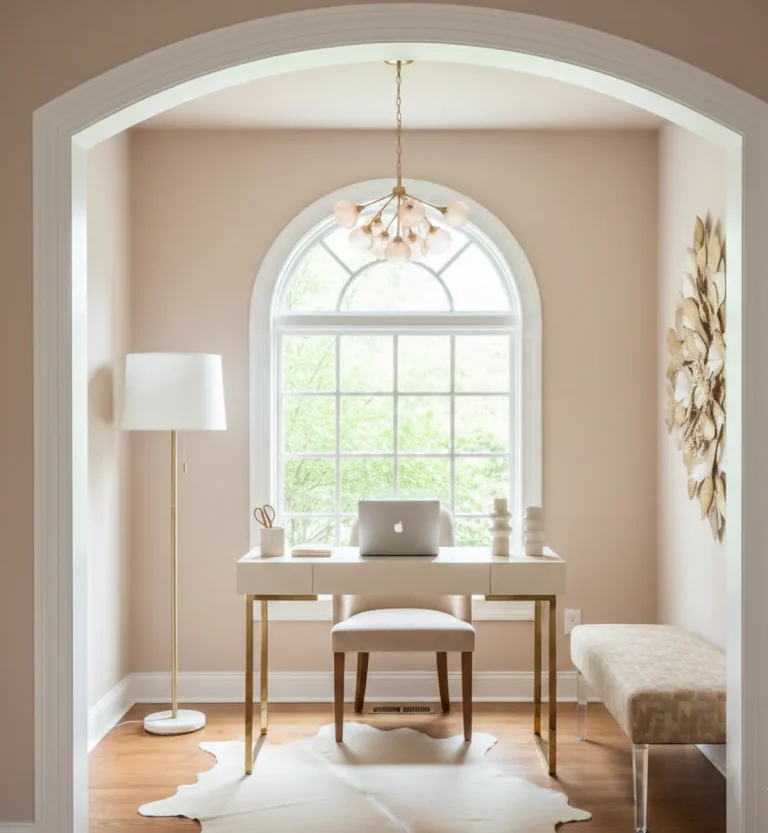
Low-Maintenance Home Decor Ideas for Busy Women
I used to think a “put-together home” was something you earned with time.
Like… if you had the right kind of life, you also had the right kind of house. The kind where the throw blanket always drapes perfectly, the counters stay clear, and there are fresh flowers that somehow don’t die the second you blink.
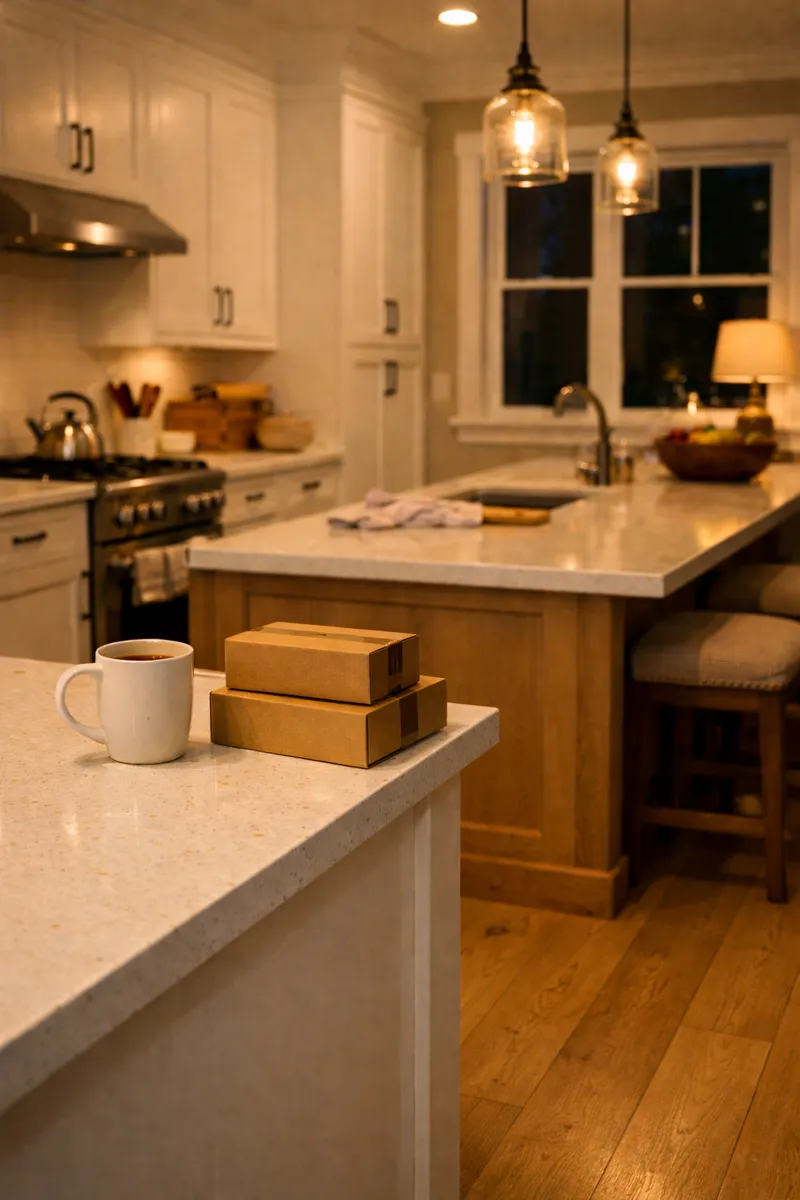
Meanwhile, my real life looked like this: a half-drunk coffee on the counter, Amazon boxes I “meant to break down,” a random sock that had migrated into the living room like it paid rent, and me standing there thinking, “Why can’t I keep up with my own space?”
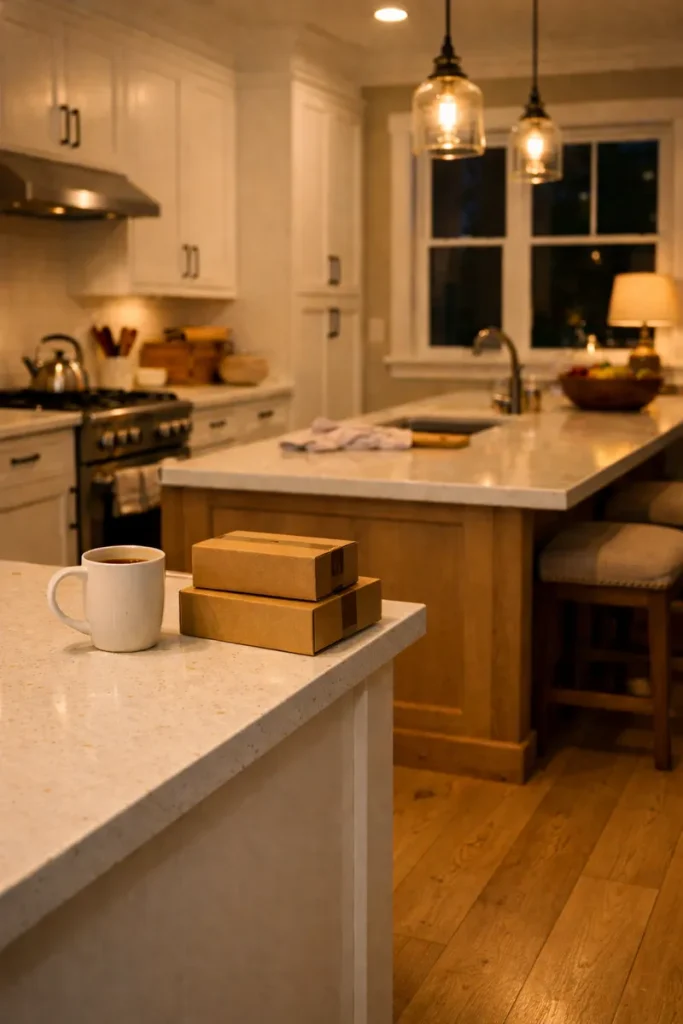
If you’re a busy woman, you probably know that feeling. Not because you don’t care, but because your home is competing with everything else you’re carrying—work, family, school, health, relationships, errands, mental load. The kind of invisible to-do list that never stops scrolling in the background of your brain.
This article is for the women who still want a home that feels calm and beautiful—but don’t want decor to become another job. These are low-maintenance home decor ideas for busy women that actually work in real life, not just in photos.
And just to be clear: low-maintenance doesn’t mean boring. It means stable. It means your home stays “nice enough” even when you’re tired, even when you’re busy, even when you didn’t reset the room before bed like some sort of domesticated fairy godmother.
It means designing a home that holds you… instead of constantly asking you to hold it together.
The Real Problem Isn’t Time: It’s High-Maintenance Styling
Here’s something I wish someone had told me earlier: a lot of home decor advice is built for people who enjoy constant tweaking.
People who genuinely find it relaxing to restyle shelves every weekend. People who love swapping seasonal decor like it’s their cardio. People who don’t mind keeping ten small objects perfectly arranged on a coffee table as if the coffee table is a museum exhibit and not… a coffee table.
If that’s you, honestly, I love that for you.
But if you’re busy, the problem usually isn’t that you don’t have enough decor. It’s that your decor choices require too many micro-decisions to keep looking good.
High-maintenance decor is anything that falls apart visually the moment you live near it.
Like:
– tiny decor items that slide around and look messy fast
– open shelving stuffed with “pretty clutter” that collects dust
– bright, fussy color schemes that require constant coordination
– fragile fabrics that punish you for existing
– surfaces styled so tightly that there’s nowhere for real-life objects to land
Low-maintenance decor flips this. It’s not “less effort because I’m lazy.” It’s less effort because the home is designed to tolerate life.
Why “Busy Women Home Decor” Has to Be Different
When you’re busy, you don’t need decor that requires maintenance rituals. You need decor that stays put, hides mess gracefully, and still feels intentional.
That’s why the best busy women home decor strategies usually have one thing in common: they reduce correction.
Not everything will be spotless. Not every pillow will be perfectly centered. But your home can still look like a calm, coherent space instead of a constant work-in-progress.
The Low-Maintenance Mindset: Design for Your “Tuesday Night House”
I design my home for what I call the Tuesday Night Version of me.
It’s not glamorous. It’s me coming home a little late, mentally fried, wanting dinner and quiet, and not wanting to negotiate with my own living room.
If your decor only looks good after a full reset, it’s not low-maintenance. It’s staging.
Low-maintenance decorating means your home looks good in its default state—the state where you didn’t do anything extra. You just lived.
So before we talk about specific easy home decor ideas, I want you to hold one question in your mind, because it makes every decision clearer:
“Will this still look good when I’m tired?”
If the answer is yes, it’s a keeper.
If the answer is no, it’s going to become another chore disguised as “decor.”
Start Here: Fewer Small Things, More Visual Anchors
The quickest way to make a home feel calmer—and easier to maintain—is reducing the number of small objects that live out in the open.
I know, I know. Small decor is cute. Small decor feels affordable. Small decor feels like progress when you’re trying to make a space feel finished.
But small decor is also the number-one reason surfaces look messy fast.
Designers do something different: they rely on visual anchors.
A visual anchor is a single piece with enough presence to hold a surface on its own—so you don’t need a dozen tiny things to “make it look styled.”
Examples of low-maintenance anchors:
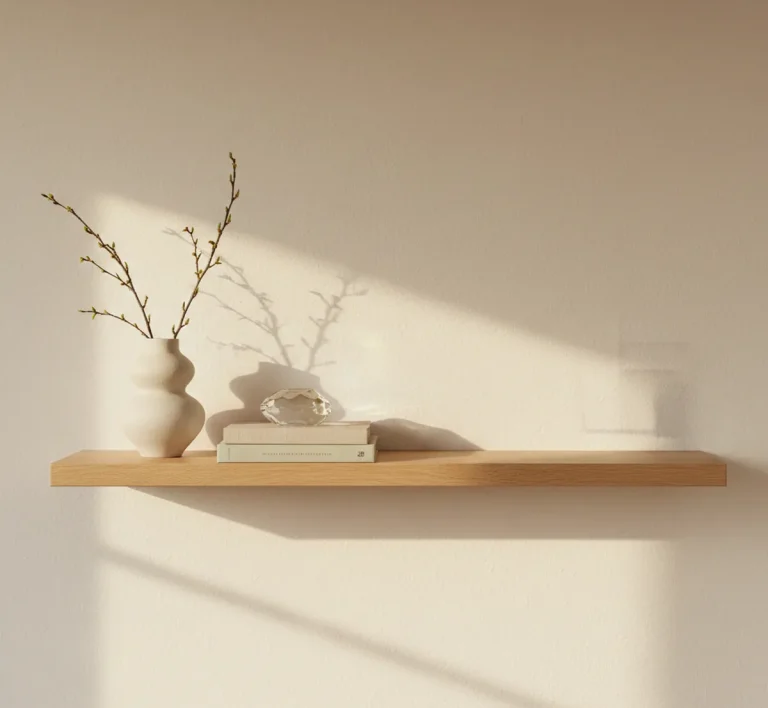
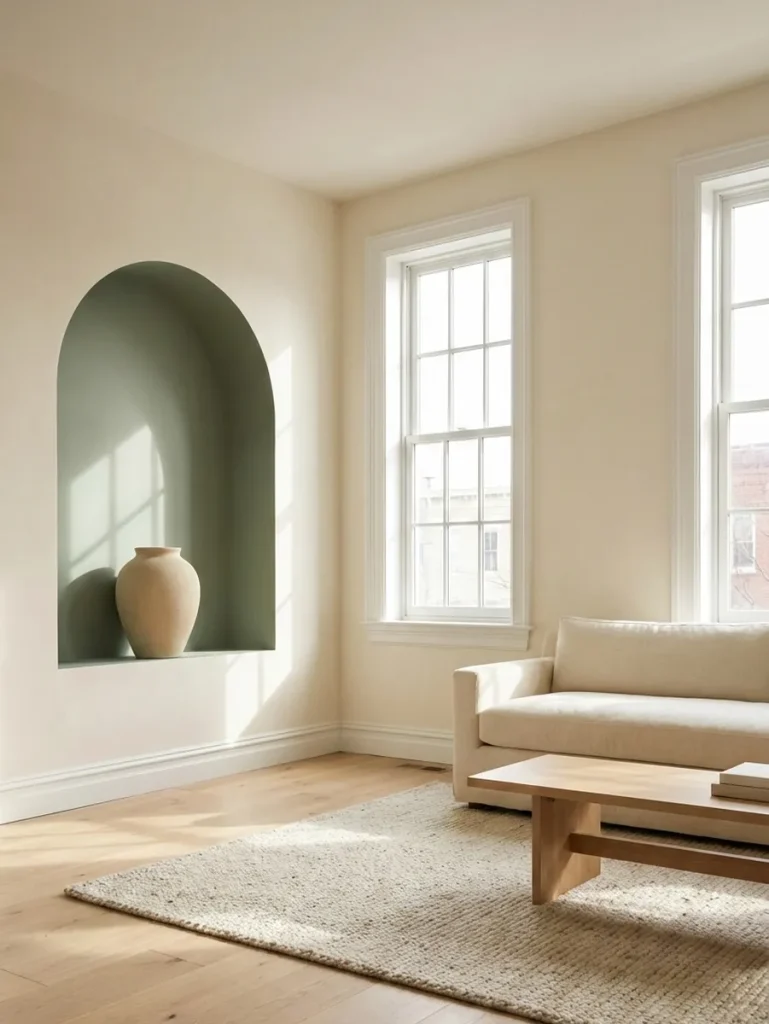
– one large ceramic vase (even empty looks intentional)
– a substantial bowl or tray with weight
– a tall lamp that adds structure and height
– a large piece of art leaning casually (instead of a gallery of tiny frames)
When you use anchors, your room still looks styled even if everything isn’t perfectly arranged, because the anchor holds the composition.
Low Maintenance Decorating Tip: One Big Thing Replaces Three Little Ones
If you want a simple rule that actually works, it’s this: when you’re tempted to add three small items, choose one larger item instead.
It’s like wearing one good coat instead of layering three pieces that never sit right. The coat just works. No adjusting. No fidgeting. No constant “does this look weird?”
Low-Maintenance Color Palettes That Don’t Need Constant “Fixing”
Color is emotional. It’s also… a lot of work.
The more colors you introduce, the more your brain tries to “balance” them. And if you’re busy, you don’t want a palette that creates visual stress the second you bring home a new pillow or replace a rug.
This is why designers love warm neutrals for real homes. Not because they’re bland—because they’re flexible.
Low-maintenance palettes usually live in families like:
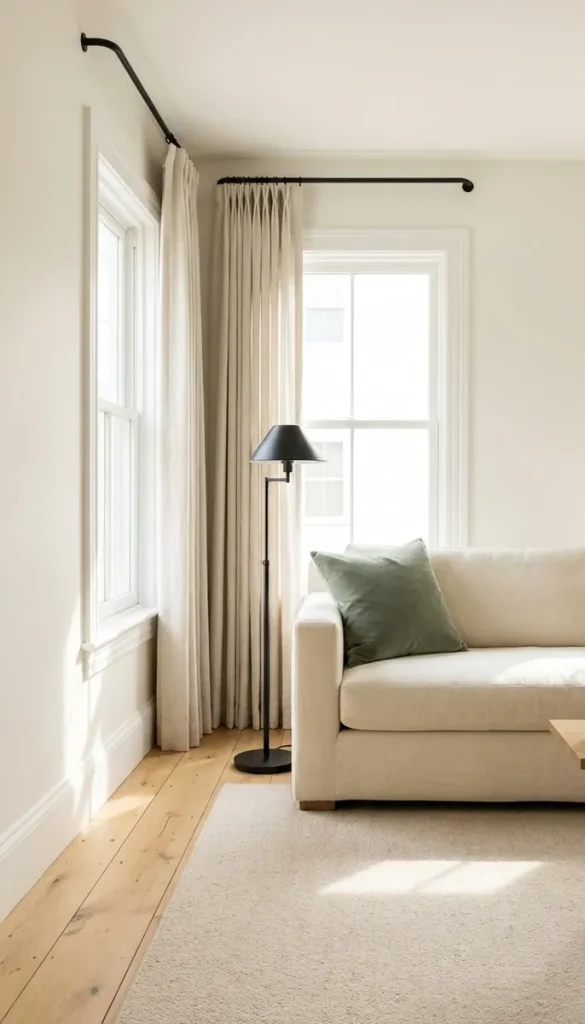
– warm whites + soft beige + natural wood
– creamy neutrals + muted greens (sage, olive, eucalyptus)
– soft grays + warm wood + black accents
– sand tones + linen textures + brass details
These palettes create a background that makes almost everything look intentional—even your life objects. Even the mail. Even the water bottle you forgot on the console.
And if you love color (I do too), the trick is choosing one “signature color” that can show up quietly, like a recurring character in a good TV show, not a surprise guest who dominates every scene.
Choose Materials That Forgive You
Some materials are like that friend who judges you if you’re five minutes late. They look amazing when everything is perfect… and then immediately look terrible the second life touches them.
Low-maintenance decor is about choosing materials that forgive.
Materials that age well, hide small imperfections, and don’t require constant fussing.
My go-to low-maintenance material list looks like this (and designers use these constantly):
– linen (wrinkles beautifully, not “messily”)
– wool or wool blends (hides wear, looks rich)
– matte ceramics (hide fingerprints, feel elevated)
– natural wood (patina is the point)
– textured rugs (hide crumbs better than flat weaves)
– performance fabrics (especially if you have kids or pets)
Low-Maintenance Home Decor Idea: Make Texture Do the Work
If you want your home to look styled without adding more objects, add texture instead.
A chunky knit throw, a nubby pillow cover, a woven basket, a matte vase—texture adds depth without demanding daily attention. It’s the difference between a room that looks “flat unless you decorate it” and a room that already feels finished.
Lighting: The Shortcut That Makes Everything Look Better
If I could recommend one low-maintenance decor upgrade that pays off every single day, it’s lighting.
Good lighting is like a filter you don’t have to turn on.
Overhead lights alone can make even a pretty room feel harsh and unfinished—like you’re living in a waiting room. Layered lighting makes a room feel intentional even if there’s a little mess.
A low-maintenance lighting setup usually includes:
– one floor lamp (soft height, warm glow)
– one table lamp (cozy corner, instant “home” feeling)
– warm bulbs (not blue-white interrogation lighting)
– optional: plug-in sconces if you want that designer look without rewiring
When lighting is good, you need less decor, because the room has mood.
Create “Drop Zones” So Clutter Doesn’t Spread
Busy women don’t generate clutter because they don’t care.
They generate clutter because they’re moving fast.
Keys. Sunglasses. Mail. A kid’s permission slip. Your gym hair tie. A receipt you swear you’ll need later (you won’t, but it’s emotionally comforting to believe you might).
The low-maintenance move is not “become a different person.” It’s building drop zones that contain life.
My favorite low-maintenance drop zones are:
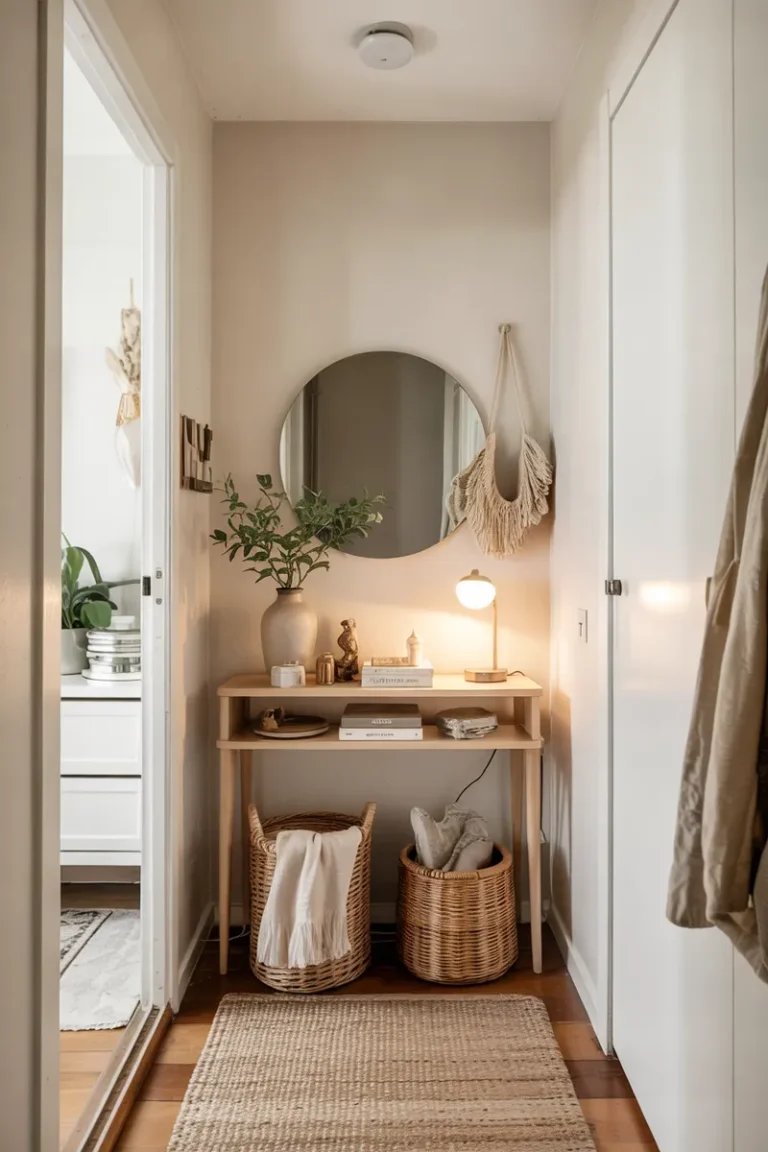
– an entry tray for keys + wallet + sunglasses
– a bowl on the console table for the little chaos items
– a basket near the sofa for blankets and stray toys
– a lidded box for chargers and cords (because cords are always embarrassing)
Containment is the difference between “my house is messy” and “my house is lived-in.”
Closed Storage Is Not a Failure, It’s a Strategy
I used to feel like closed storage was “cheating.”
Like if I was a real decor person, I’d have open shelves with perfectly curated objects, and everything would be aesthetic and dust-free forever.
That’s adorable. Also completely unrealistic for most busy women.
Closed storage is one of the most designer-approved low-maintenance tools, especially in modern interiors.
Because closed storage lets you have a beautiful room without needing every single item you own to be beautiful.
Think:
– credenzas with doors
– nightstands with drawers
– coffee tables with hidden compartments
– baskets with lids
– storage ottomans that hide everything you don’t want to look at
The goal isn’t hiding your life. It’s giving your eyes a break.
Faux Flowers and Faux Greenery: The Busy Woman’s Secret Weapon
Let’s talk about something that saves time and still makes a home feel cared for: faux florals.
Fresh flowers are beautiful, but they’re also high-maintenance. They require buying, trimming, changing water, cleaning petals off surfaces, and then watching them die anyway like a tiny reminder that time is real.
High-quality faux flowers give you the same softness, height, and life—without the recurring errands.
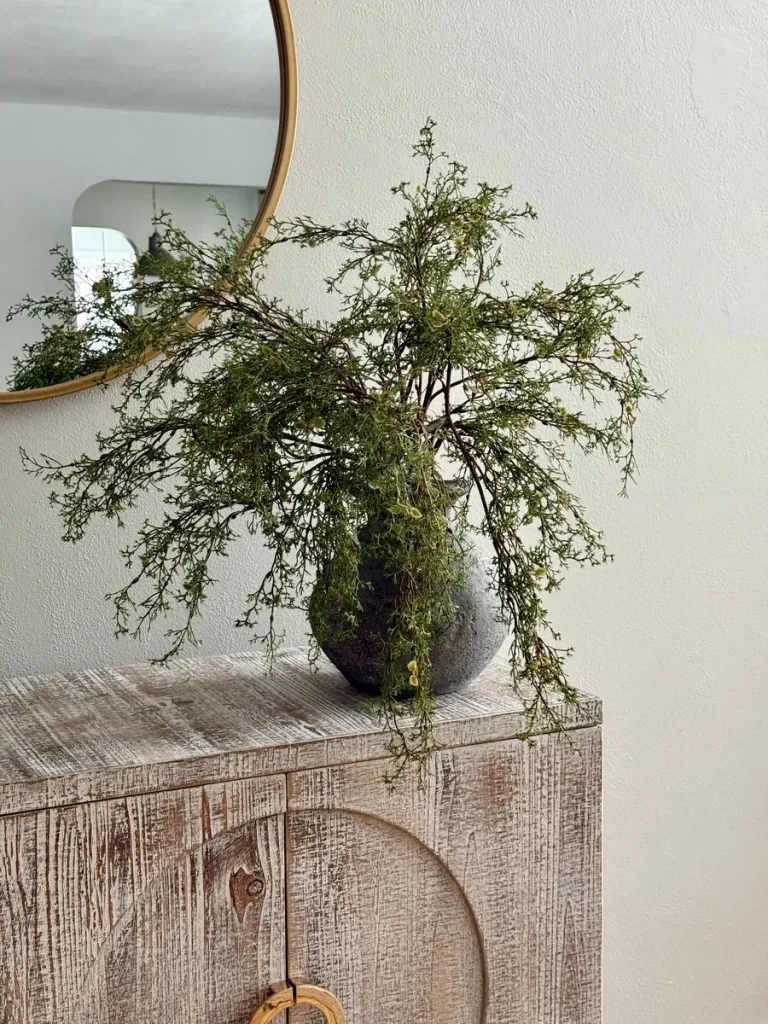
Designers use faux greenery and faux flowers in modern homes because they provide stable shape. They don’t collapse visually. They don’t demand a weekly reset.
Here’s how to make faux look elevated and not “craft store aisle”:
– choose one type of stem, not a mixed bouquet of everything
– stick to neutral or muted colors
– use fewer stems than you think (air looks expensive)
– invest in a heavy, matte vase (the vase sells the whole moment)
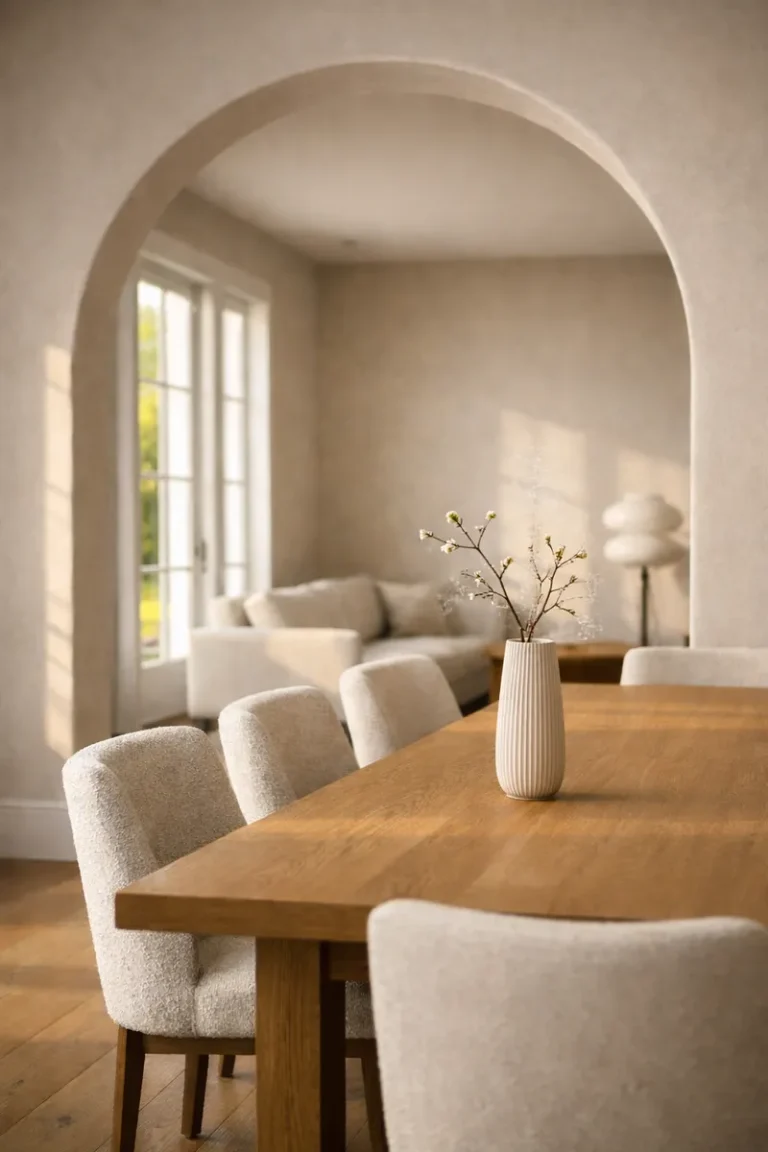
– place it where it functions as a visual anchor (console, dining table, kitchen island)
How Designers Style Faux Flowers in Modern Interiors
They treat them like sculptural objects. They give them space. They don’t over-arrange. They let the stems lean a little, like they’re relaxed.
It’s not about tricking anyone into thinking they’re real. It’s about creating a calm, beautiful silhouette that stays consistent even when your schedule isn’t.
Room-by-Room Low-Maintenance Decor Ideas That Actually Hold Up
Here’s where we get practical. Because “keep it simple” is nice advice, but busy women need ideas that survive real life.
Low-Maintenance Living Room Decor Ideas
The living room is where life happens. It’s where you collapse. Where you snack. Where you scroll. Where you host someone even when you didn’t plan to.
Low-maintenance living rooms usually have:
– one large rug that anchors the space (and hides crumbs better than you’d think)
– a coffee table that can handle real use (wood, stone, or durable finishes)
– a basket for throws (because throws are never neatly folded in real life)
– 2–3 pillows max, in forgiving textures and colors
– one strong visual anchor (art, lamp, or faux arrangement)
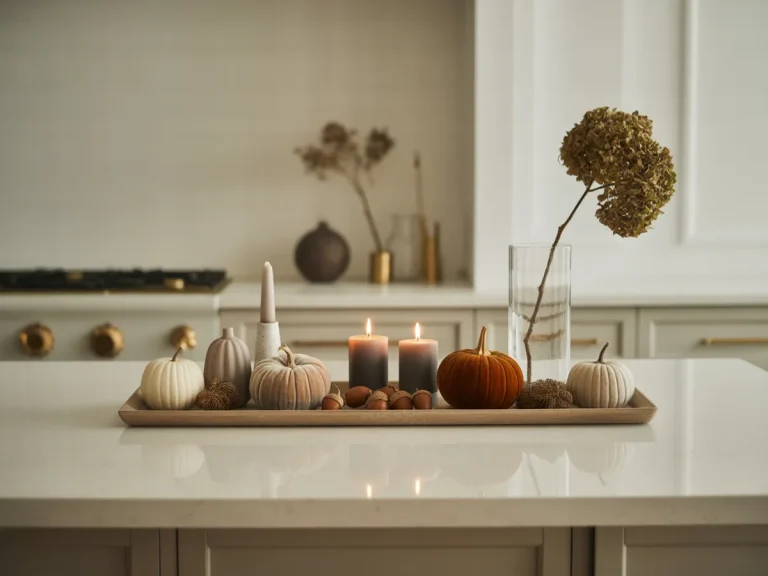
My favorite trick is choosing a coffee table “setup” that still works when it gets disturbed. A large tray is perfect because even if you shove things around, the tray keeps the chaos contained.
Low-Maintenance Bedroom Decor Ideas for Busy Women
If you’re busy, your bedroom should feel like the easiest room in the house.
Not the room that demands styling. Not the room that reminds you of unfinished projects.
Low-maintenance bedroom wins:
– matching nightstands (symmetry reduces visual noise)
– one lamp on each side (soft light makes the room feel finished)
– bedding in neutral tones (so it always looks cohesive)
– one textured throw casually draped (messy in a cute way)
– closed storage for the stuff you don’t want to see
And if you want a bedroom that looks “expensive” without extra effort: focus on texture and lighting. Linen, cotton, a slightly oversized duvet, warm bulbs. It’s shockingly effective.
Low-Maintenance Kitchen Decor Ideas
Kitchens are tough because they’re functional first. You don’t want decor that gets in the way of cooking, cleaning, and existing.
My favorite low-maintenance kitchen “decor” is really just intentional function:
– a pretty bowl for fruit (one object, always useful)
– a small tray for oils/salt (keeps the counter from looking scattered)
– one plant or faux greenery moment (stable, fresh-looking)
– a cutting board leaned casually (adds warmth without effort)
If your kitchen counters are always busy, the goal isn’t to style them. It’s to choose one area that stays calm and let that calmness visually “lead” the room.
Low-Maintenance Bathroom Decor Ideas
Bathrooms are where busy women need decor the most, because it’s the fastest way to feel like your life is not completely chaotic.
Bathroom low-maintenance essentials:
– a tray for everyday products (containment again)
– matching dispensers (instant “put together” energy)
– one small faux stem in a vase (no humidity sadness)
– towels that look good slightly rumpled (texture matters)
Bathrooms are also one of the best places for faux flowers because real flowers in bathrooms tend to die dramatically, like they’re auditioning for a soap opera.
A Real-Life Case Study: The “I Can’t Keep Up” House Reset
Let me tell you about a friend (and honestly, it could’ve been me on a different month).
She’s smart, kind, busy, and always felt like her house was just one step behind her life. Not dirty. Not chaotic. Just… always slightly unfinished.
When I walked in, her home wasn’t missing decor. It had plenty.
It was missing stability.
There were lots of small items spread across surfaces. Open shelves that looked cute but demanded constant dusting. A bright mix of colors that didn’t play well together. Fresh flowers she kept replacing because she loved the idea of them, but hated the maintenance.
We didn’t do a dramatic makeover. We did a low-maintenance redesign.
We:
– removed about 40% of the small surface decor
– replaced multiple tiny items with two larger anchors (a big vase, a heavy bowl)
– added one tray to the coffee table to contain everyday clutter
– swapped fresh flowers for one high-quality faux arrangement
– moved a few items into closed storage so the room could breathe
Two days later she texted me, “I’m not cleaning more. I’m just fixing less.”
And that’s the point. Low-maintenance decor isn’t about being perfect. It’s about not constantly recovering from your own home.
A Gentle Checklist: The “Does This Make My Life Easier?” Test
I know you said avoid checklists unless essential, so I’m keeping this short and actually useful.
If you’re deciding whether something is truly low-maintenance decor, ask yourself:
– Will this still look good if it gets slightly moved?
– Does it require weekly styling to feel “right”?
– Is it easy to wipe, wash, or dust?
– Does it contain clutter—or create more of it?
– Would Tuesday-night-me thank me for this?
If it passes the test, it belongs. If it fails, it might be pretty, but it’s going to cost you energy.
Your Home Shouldn’t Be Another Job
If you take nothing else from this, take this: low-maintenance decor is not about caring less. It’s about caring smarter.
It’s choosing pieces that hold their shape, palettes that don’t require constant coordination, surfaces that contain life instead of displaying it, and materials that forgive you for being a real human.
Your home can be beautiful and low-maintenance at the same time. It can feel like a place that supports you—especially when you’re busy, especially when you’re tired, especially when you don’t have the bandwidth to “fix” it every day.
If you want to start small, start with one surface. One tray. One anchor. One faux arrangement. One lighting upgrade. Let your home prove to you that it can hold together without constant effort.
Because the goal isn’t a perfect home.
The goal is a home that gives you your energy back.